Air travel is built on precision tight schedules, advanced aircraft systems, and carefully planned routes that stretch across continents and oceans. Yet even within this highly controlled environment, unexpected situations can arise. When they do, the true strength of aviation lies not in avoiding every issue, but in how effectively those issues are managed.
That reality came into sharp focus when Delta Flight DL275, a long-haul international service from Detroit to Tokyo, was diverted mid-journey and landed at Los Angeles International Airport (LAX) instead of its intended destination. While the diversion sparked curiosity and concern among travelers, it ultimately served as a real-world demonstration of aviation safety working exactly as designed.
This incident wasn’t about panic or failure. It was about judgment, preparation, and putting safety above all else.
A Routine Long-Haul Flight Until It Wasn’t
Delta Flight DL275 departed Detroit Metropolitan Wayne County Airport (DTW) as a scheduled trans-Pacific flight bound for Tokyo Haneda Airport (HND). Operated by the Airbus A350-900, one of the most technologically advanced commercial aircraft in service today, the flight initially progressed as planned.
Passengers settled into what was expected to be a long but uneventful journey across the Pacific Ocean. The aircraft climbed smoothly to cruising altitude, and flight operations followed standard long-haul procedures. From a traveler’s perspective, there was nothing unusual until the crew identified an issue that demanded attention.
Understanding the Technical Issue
Midway through the flight, cockpit alerts indicated a malfunction related to the engine anti-ice system. While this may sound minor to the average passenger, in aviation terms it is taken very seriously especially on ultra-long-haul flights.
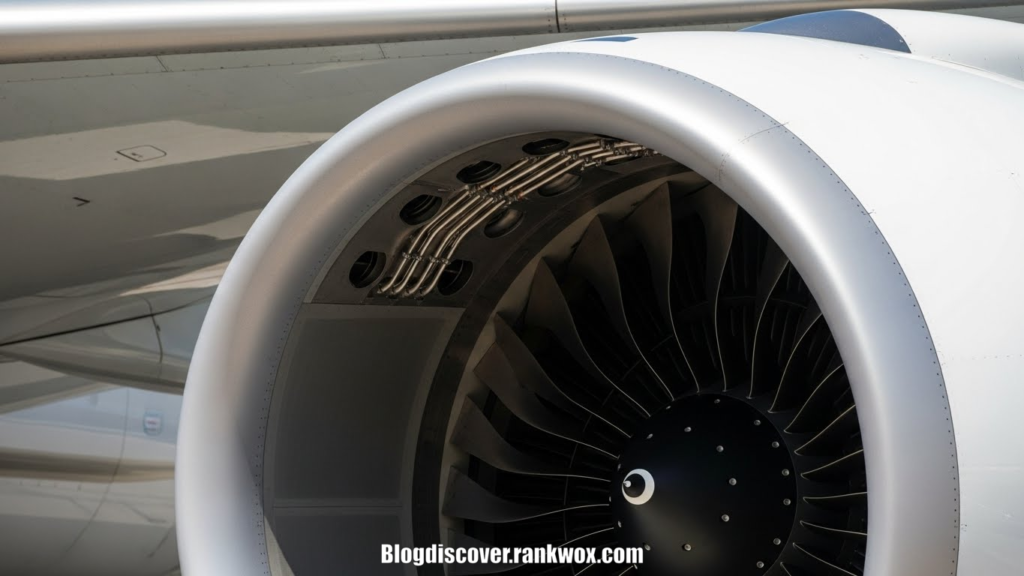
The engine anti-ice system plays a critical role in preventing ice buildup on engine components when flying through cold, moisture-rich air at high altitudes. Ice accumulation can disrupt airflow, reduce engine efficiency, and in extreme cases, affect performance and reliability.
On short domestic routes, such a system fault might allow for limited continuation under strict conditions. But on a trans-Pacific flight, where large stretches of the journey are spent far from diversion airports, the margin for risk becomes much smaller.
This is where aviation decision-making shifts from “can we continue?” to “should we continue?”
Why the Pilots Chose to Divert
Contrary to common belief, flight diversions are rarely last-second reactions. They are calculated decisions made using extensive checklists, system data, weather analysis, fuel planning, and regulatory guidelines.
In the case of DL275, continuing to Tokyo would have meant several more hours flying over open ocean with a system limitation already identified. Even if the aircraft remained fully controllable, the lack of nearby alternate airports reduced safety flexibility.
The flight crew evaluated their options and selected Los Angeles International Airport (LAX) as the safest and most practical diversion point.
Why LAX Made Sense
The choice of LAX was not accidental. Several key factors made it the ideal alternate airport:
- Proximity and positioning: At the time of the decision, the aircraft was geographically better positioned to reach the U.S. West Coast than return to Detroit.
- Maintenance capability: LAX has full support for wide-body aircraft like the Airbus A350, including specialized tools and trained engineers.
- Operational support: As a major Delta operating location, LAX allowed the airline to quickly assist passengers with accommodations and rebooking.
- Runway length and safety services: Long runways and extensive emergency readiness ensured a smooth arrival, even with a heavy aircraft.
This combination of technical, logistical, and passenger-care considerations made LAX the most responsible choice.
Key Flight Details at a Glance
| Detail | Information |
|---|---|
| Flight Number | Delta Air Lines DL275 |
| Original Route | Detroit (DTW) → Tokyo Haneda (HND) |
| Aircraft Type | Airbus A350-900 |
| Diversion Airport | Los Angeles International Airport (LAX) |
| Reason for Diversion | Engine anti-ice system malfunction |
| Flight Phase | Cruise phase at high altitude |
| Nature of Diversion | Precautionary (non-emergency) |
| Passenger Safety | No injuries reported |
| Airline Response | Maintenance inspection, rebooking, accommodations |
This table helps readers quickly understand what happened, where, and why, especially useful for skimmers and search visibility.
What Passengers Experienced Onboard
One of the most telling aspects of the DL275 diversion was how calmly it unfolded. According to passenger accounts, the pilots communicated clearly, explaining that the aircraft would be diverting as a precautionary measure.
There was no emergency declaration, no abrupt maneuvers, and no visible distress in the cabin. The descent and landing were routine, reinforcing the reality that this was a controlled operational decision—not a crisis.
For many travelers, this calm handling helped transform potential anxiety into reassurance. It also highlighted the professionalism of both the cockpit crew and cabin staff, who are trained extensively for scenarios exactly like this one.
After Landing: What Happened Next
Once on the ground at LAX, Delta’s maintenance teams began a thorough inspection of the aircraft. Aviation regulations require that any system irregularity be fully diagnosed and resolved before the aircraft can return to service.
While the plane underwent checks and repairs, passengers were assisted by Delta’s ground teams. Depending on individual travel needs, travelers were:
- Rebooked on alternative flights to Tokyo
- Provided hotel accommodations and meals
- Given updated travel options for onward connections
Though inconvenient, these procedures reflect standard airline responsibility during irregular operations.
Could the Flight Have Continued Safely?
This question often comes up after any diversion. From a purely mechanical standpoint, the aircraft was still flyable. However, aviation safety is not based on “bare minimum” capability.
The guiding principle is risk management, not risk tolerance. Continuing a long-distance flight with a known system fault especially over remote regions introduces variables that professionals are trained to avoid.
In aviation, the safest decision is often the one that looks overly cautious to outsiders.
The Role of the Airbus A350-900
The aircraft itself deserves mention. The Airbus A350-900 is designed with advanced monitoring systems that constantly analyze engine performance, environmental conditions, and system behavior.
In this situation, the aircraft did exactly what it was built to do: detect an abnormal condition early and alert the crew before it escalated.
Rather than indicating a failure of technology, the DL275 diversion demonstrated the success of modern aircraft design, where early warnings prevent larger problems.
Lessons for Travelers
Incidents like this offer valuable takeaways for passengers, especially those who frequently fly long-haul routes:
- Diversions are a sign of safety, not danger
Airlines do not divert flights lightly. When they do, it means procedures are working. - Pilot decisions are data-driven
These choices are based on real-time information, not guesswork or panic. - Preparation matters
Carry essentials in your hand luggage medication, chargers, documents especially on international flights. - Communication builds trust
Clear updates from the crew can make all the difference during unexpected changes.
Why This Incident Matters
The story of Delta Flight DL275 is not about disruption it’s about reliability. It shows how layered aviation safety really is: from aircraft design and crew training to airport infrastructure and airline support systems.
In an era where passengers expect perfection, this event serves as a reminder that adaptability is just as important as punctuality.
When something small goes wrong in the air, the goal isn’t to push forward at all costs it’s to land safely, reassess, and continue only when conditions are right.
Final Thoughts
The diversion of Delta Flight DL275 to LAX was not a failure of planning or technology. It was a measured, professional response to a technical irregularity, executed with calm precision and passenger safety at the forefront.
No injuries occurred. No emergency unfolded. And every system from aircraft sensors to pilot judgmentworked exactly as intended.
For travelers, this incident reinforces a simple truth: the safest flights aren’t always the ones that go exactly as planned, but the ones where the right decisions are made when plans change.
And in that sense, DL275 wasn’t just a diverted flight it was a real-world lesson in why modern aviation remains one of the safest forms of transportation on Earth. ✈️
Frequently Asked Questions (FAQs)
1. Why was Delta Flight DL275 diverted to LAX instead of continuing to Tokyo?
Delta Flight DL275 was diverted because the crew detected a fault in the engine anti-ice system. While the aircraft remained controllable, continuing a long trans-Pacific journey with a compromised system would have increased operational risk. Diverting to LAX allowed the issue to be addressed safely and efficiently.
2. Was Delta Flight DL275 experiencing an emergency?
No. The diversion was precautionary, not an emergency. The aircraft landed normally, and there was no immediate danger to passengers or crew. In aviation, precautionary diversions are standard practice when safety margins need to be preserved.
3. Why is the engine anti-ice system so important on long-haul flights?
The engine anti-ice system prevents ice buildup on engine components at high altitudes where temperatures are extremely low. Ice accumulation can affect airflow and engine performance. On long-haul flights over oceans, maintaining full system functionality is essential due to limited diversion options.
4. How did Delta assist passengers after landing at LAX?
After landing, Delta provided passenger support that included hotel accommodations, meal vouchers, and alternative flight arrangements. Some passengers were rebooked on other flights to Tokyo, while others chose flexible travel options depending on their schedules.
5. Does this incident mean the Airbus A350-900 is unsafe?
Not at all. In fact, this incident highlights how advanced aircraft like the Airbus A350-900 enhance safety. The aircraft’s monitoring systems detected the issue early, allowing the crew to take preventive action before the situation could escalate.
We’ll keep you updated, just stay in touch! Blog Discover by Rank Wox!