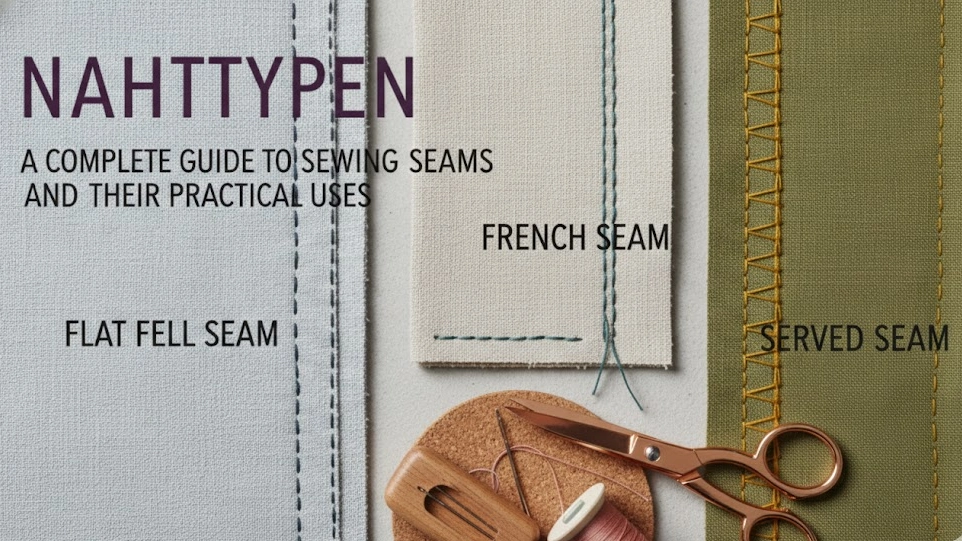
Sewing is a craft that combines creativity with practicality. At the heart of every sewing project are seams, which hold everything together. Understanding the different types of seams, or “nahttypen” in German, is essential for anyone looking to improve their sewing skills. Whether you’re a beginner or an experienced sewist, this guide will introduce you to the various seam types, how to choose the right one for your fabric, and modern techniques that promote sustainability in clothing construction.
Table of Contents
The Role of Seams in Garment Construction
Seams are the joints between two pieces of fabric that are sewn together. They are fundamental to clothing construction and play a crucial role in the durability and appearance of a garment. The type of seam you choose can affect the garment’s fit, finish, and longevity. Seams are not just functional; they also contribute to the aesthetic appeal of the garment, often influencing the overall design and style.
Seams and Fabric Compatibility
Different fabrics require different seam techniques. Understanding the relationship between fabric types and seam types is critical for creating garments that are both beautiful and durable. For instance, delicate fabrics like chiffon need seams that don’t add bulk, while heavier fabrics like denim require seams that provide strength and durability. Learning how to match seams to fabrics can prevent common sewing issues such as puckering or seam slippage.
Beyond Clothing: Other Applications of Seams
While seams are most commonly associated with clothing, they are also used in a variety of other textile applications. From home decor items like curtains and cushion covers to accessories such as bags and hats, seams are an integral part of any sewing project. Knowing how to apply the right seam type across different projects can expand your sewing repertoire and improve the quality of your finished items.
Common Seam Types
There are numerous seam types, each with its own application and benefits. Here, we’ll cover some of the most common seams you might encounter in your sewing projects.
Straight Seam
The straight seam is the most basic and widely used seam. It’s created by sewing two pieces of fabric together with a straight stitch. This seam is suitable for most types of fabric and is often used in simple garment construction.
Advantages of Straight Seams
The simplicity of straight seams makes them ideal for beginners. They require minimal setup and can be quickly sewn on most sewing machines. This type of seam is excellent for constructing basic garments, such as skirts and blouses, where a clean, straightforward finish is desired.
Straight Seams in Different Fabrics
While straight seams work well with a variety of fabrics, it’s important to consider the weight and weave of your fabric. For lightweight fabrics, use a smaller stitch length to prevent the seam from pulling apart. For heavier fabrics, a longer stitch length may be necessary to ensure the seam lays flat and doesn’t cause puckering.
Troubleshooting Common Issues
Common issues with straight seams include uneven stitching and puckering. To avoid these, always ensure that your fabric is properly aligned and that your sewing machine is set to the correct tension. Using a walking foot can also help manage fabric layers and prevent slippage, especially with tricky fabrics.
French Seam
The French seam is perfect for delicate fabrics, such as silk or chiffon. It encloses the raw edges of the fabric, preventing fraying and providing a clean finish. To create a French seam, start by sewing the fabric wrong sides together, then trim the seam allowance, press, and sew right sides together.
Steps to Create a French Seam
Creating a French seam involves a few more steps than a straight seam, but the results are worth the effort. Begin by pinning your fabric wrong sides together and sewing a seam with a small seam allowance. Trim the allowance to reduce bulk, then press the seam open. Finally, fold the fabric right sides together and sew a second seam to encase the raw edges.
Benefits of Using French Seams
French seams are ideal for creating a polished look on the inside of garments. They are particularly useful for sheer or lightweight fabrics where raw edges might show through. This seam type also adds strength to seams, making it a good choice for garments that require durability without sacrificing aesthetics.
Enhancing Your Sewing with French Seams
French seams add a touch of professionalism to your sewing projects. They are often used in high-quality garments and can elevate the overall look of your creations. Practicing this technique can improve your precision and attention to detail, skills that are valuable in any sewing endeavor.
Flat-Felled Seam
Commonly found in jeans and shirts, the flat-felled seam is strong and durable. It involves folding and stitching the seam allowances to enclose the raw edges. This seam is ideal for heavy fabrics and areas that require extra strength.
Constructing a Flat-Felled Seam
To construct a flat-felled seam, begin by sewing a regular seam with the fabric right sides together. Trim one seam allowance to half its width, then fold the other seam allowance over the trimmed edge and press. Finally, sew along the folded edge to encase the raw edges completely.
Applications and Advantages
Flat-felled seams are excellent for garments that experience a lot of wear and tear, such as jeans and work shirts. They provide a clean finish on both the inside and outside of the garment, making them a popular choice for visible seams. The durability of flat-felled seams also makes them ideal for home decor projects like cushions and curtains.
Troubleshooting and Tips
Achieving a clean flat-felled seam requires precision in cutting and folding the seam allowances. Use a seam guide to ensure even stitching, and press each step thoroughly to maintain crisp edges. If you’re working with thick fabrics, consider using a heavier needle and thread to accommodate the added bulk.
Zigzag Seam
The zigzag seam is versatile and often used on stretchy or knit fabrics. The zigzag stitch allows the seam to stretch with the fabric, preventing breakage. It’s also useful for finishing raw edges to prevent fraying.
Creating a Zigzag Seam
To create a zigzag seam, set your sewing machine to a zigzag stitch. Sew along the edge of the fabric, ensuring that the needle catches both the fabric and the edge to secure it. Adjust the width and length of the stitch according to the fabric’s stretch and thickness.
Versatility and Uses
Zigzag seams are highly versatile and can be used for a variety of purposes. They are perfect for hemming knit fabrics, providing flexibility and strength. This seam type is also excellent for finishing raw edges on fabrics that tend to fray, such as woven cottons.
Perfecting Your Zigzag Technique
Experiment with different stitch settings to achieve the best results for your project. A wider zigzag stitch offers more flexibility, while a narrower stitch provides a cleaner finish. Practice on scrap fabric to find the ideal settings for your fabric type and project needs.
Overlock Seam
An overlock seam, or serged seam, is created using a serger machine. This seam simultaneously trims, stitches, and finishes the edges, making it a popular choice for knit fabrics and professional garment finishes.
Understanding Overlock Machines
Overlock machines, or sergers, differ from regular sewing machines in their ability to sew and finish seams in one step. They use multiple threads to create a strong, stretchy seam, perfect for knit fabrics. Understanding how to thread and adjust your serger is key to achieving professional results.
Benefits of Overlock Seams
The main advantage of overlock seams is their efficiency and finish. They provide a clean, professional look that is difficult to achieve with a standard sewing machine. Overlock seams are also highly durable, making them ideal for garments that require frequent washing and wear.
Tips for Using a Serger
Before using a serger, practice threading the machine and adjusting the tension settings. Different fabrics may require different tension levels to achieve a balanced stitch. Always test on a scrap piece of fabric to ensure the settings are correct before starting on your main project.
Seam Types at a Glance
| Seam Type | Best For | Fabric Types | Key Benefits |
|---|---|---|---|
| Straight Seam | Basic construction | Cotton, linen, woven fabric | Simple, fast, beginner-friendly |
| French Seam | Clean interior finish | Silk, chiffon, sheer fabric | Elegant, no raw edges |
| Flat-Felled Seam | High-stress areas | Denim, canvas | Extremely strong and durable |
| Zigzag Seam | Stretch & edge finishing | Knits, woven cotton | Flexible, prevents fraying |
| Overlock Seam | Professional garment finishes | Knits, stretch fabrics | Fast, clean, industrial look |
Fabric Types & Seam Selection
Choosing the right seam for your fabric is crucial for achieving the desired look and functionality of a garment. Here are some tips for matching seam types with different fabrics:
Lightweight Fabrics
For lightweight materials like silk or chiffon, opt for French seams to ensure a neat finish without adding bulk. These fabrics benefit from seams that maintain their delicate appearance while providing strength.
Considerations for Sheer Fabrics
When working with sheer fabrics, it’s important to use seams that won’t be visible through the fabric. French seams are ideal because they create a clean finish on both sides. Additionally, use a fine needle and lightweight thread to avoid creating visible punctures or adding unnecessary weight to the fabric.
Techniques for Handling Delicate Fabrics
Handle lightweight fabrics with care to avoid stretching or distorting them. Use a pressing cloth to protect the fabric when pressing seams, and consider using a walking foot to help guide the fabric evenly through the machine. These techniques will help you achieve a professional finish without damaging the fabric.
Enhancing Durability
Although lightweight fabrics are delicate, using the right seam type can enhance their durability. French seams provide extra strength and prevent fraying, ensuring that your garments remain in excellent condition even with regular wear.
Medium-Weight Fabrics
Straight seams work well for medium-weight fabrics such as cotton or linen. Consider using a zigzag stitch to finish the edges, providing a clean look and preventing fraying.
Choosing the Right Seam for Cotton
Cotton is a versatile fabric that works well with a variety of seam types. For simple projects, straight seams offer a straightforward solution, while zigzag finishes help prevent fraying. For more structured garments, consider using flat-felled seams for added durability.
Linen: A Unique Medium-Weight Fabric
Linen is a popular medium-weight fabric known for its breathability and texture. When working with linen, consider using French or flat-felled seams for a polished finish. These seams help reinforce the fabric’s natural strength and prevent fraying, preserving the garment’s appearance over time.
Tackling Common Issues
Medium-weight fabrics can sometimes present challenges such as puckering or uneven seams. Use a high-quality thread and ensure your machine is properly threaded and tensioned to prevent these issues. Regularly pressing your seams as you sew will also help maintain a smooth, professional finish.
Heavyweight Fabrics
Flat-felled seams are ideal for heavyweight fabrics like denim or canvas, providing added strength and durability. These fabrics require sturdy seams that can withstand wear and tear.
Working with Denim
Denim is a common heavyweight fabric that benefits from strong, durable seams. Flat-felled seams are often used in jeans and jackets to provide reinforcement and a polished look. Use a heavier needle and thread to accommodate the thickness of the fabric and prevent needle breakage.
Canvas and Other Heavy Fabrics
Canvas and similar heavy fabrics require seams that can handle stress and weight. Flat-felled seams offer the necessary strength and clean finish. Consider using a longer stitch length to prevent puckering, and reinforce stress points with additional stitching or bar tacks.
Tips for Success
When working with heavyweight fabrics, take your time to ensure precision. Use clips instead of pins to hold layers together, as pins may bend or cause distortion. Additionally, adjust your machine’s presser foot pressure to accommodate the fabric’s thickness and maintain even stitching.
Stretch Fabrics
Use zigzag or overlock seams to maintain elasticity and prevent seams from breaking on stretchy fabrics. These seams are designed to move with the fabric, providing comfort and flexibility.
Understanding Stretch Fabric Properties
Stretch fabrics, such as jersey and spandex, require seams that can stretch without breaking. Zigzag and overlock seams are ideal for these materials, as they allow the garment to move with the wearer. Understanding the properties of your stretch fabric will help you choose the best seam type for your project.
Techniques for Sewing Stretch Fabrics
When sewing stretch fabrics, use a ballpoint needle to avoid damaging the fabric fibers. Adjust your machine’s tension and stitch length to achieve a balanced, stretchy seam. Practicing on scrap fabric will help you find the ideal settings for your fabric type.
Avoiding Common Pitfalls
Common issues with stretch fabrics include wavy seams and broken stitches. To avoid these, ensure your fabric is properly supported as you sew, and avoid pulling or stretching it. Using a walking foot or stretch stitch can also help manage the fabric’s movement and prevent distortion.
Sustainable & Modern Seam Techniques
In today’s world, sustainability is more important than ever. Modern seam techniques can help reduce waste and create garments that last longer.
Zero-Waste Sewing
Zero-waste sewing involves designing patterns and choosing seam types that minimize fabric waste. By carefully planning your pattern layout and seam choices, you can make the most of your fabric and reduce your environmental impact.
The Concept of Zero-Waste Patterns
Zero-waste patterns are designed to use every bit of fabric, leaving no scraps behind. This approach requires careful planning and creativity, as traditional pattern layouts often result in significant waste. By embracing zero-waste sewing, you contribute to a more sustainable fashion industry.
Choosing Seams for Zero-Waste Projects
When working on zero-waste projects, consider seam types that complement your pattern’s design. Seam finishes that require minimal trimming, such as French or overlock seams, can help reduce waste while maintaining a polished appearance. Experimenting with different seam techniques can lead to innovative solutions that enhance your projects.
Benefits of Zero-Waste Sewing
Zero-waste sewing not only benefits the environment but also encourages creativity and problem-solving. By rethinking traditional sewing methods, you can create unique garments that stand out. This approach also promotes mindfulness and a deeper appreciation for the materials you work with.
Recycled Materials
Incorporating recycled materials into your sewing projects is another way to promote sustainability. Look for fabrics made from recycled fibers and use seams that enhance the longevity of your garments, such as flat-felled or French seams.
Finding Recycled Fabrics
Many companies now offer fabrics made from recycled materials, such as plastic bottles or post-consumer textiles. These fabrics often have unique textures and appearances, adding interest to your projects. Researching suppliers and reading fabric labels can help you make informed choices about the materials you use.
Seam Types for Longevity
When working with recycled fabrics, choose seams that enhance the garment’s durability. Flat-felled seams provide strength and a clean finish, while French seams offer a polished look for delicate recycled fabrics. By selecting the right seam type, you can ensure your garments withstand wear and tear.
The Impact of Using Recycled Materials
Incorporating recycled materials into your sewing projects has a positive impact on the environment by reducing waste and conserving resources. This practice also supports a circular economy, where materials are reused and repurposed rather than discarded. By choosing recycled fabrics, you contribute to a more sustainable fashion industry.
Repair and Upcycle
Repairing and upcycling old garments is a fantastic way to extend their life. Learn how to sew different seam types to patch holes, reinforce weak areas, and give new life to worn-out clothes.
Techniques for Repairing Garments
Repairing garments involves identifying areas of wear and using appropriate seam techniques to address them. Patching holes with reinforced seams, such as zigzag or flat-felled, can extend a garment’s life. Learning basic repair techniques empowers you to maintain your wardrobe and reduce waste.
Creative Upcycling Ideas
Upcycling involves transforming old garments into new creations. By combining different fabrics and seam types, you can create unique, one-of-a-kind pieces. Consider turning old jeans into a stylish tote bag or combining fabric scraps to create a patchwork quilt. The possibilities are endless when you embrace creativity and sustainability.
The Benefits of Repair and Upcycling
Repairing and upcycling garments not only reduce waste but also foster creativity and individuality. By giving new life to old items, you can create a wardrobe that reflects your personal style and values. This approach encourages a more sustainable and mindful approach to fashion, promoting a culture of reuse and resourcefulness.
Tips for Successful Seam Construction
Use the Right Needle and Thread
Ensure that you’re using the appropriate needle and thread for your fabric type to avoid damaging the fabric or causing uneven seams.
Selecting the Right Tools
Choosing the right tools for your project is crucial to achieving professional results. Different fabric types require specific needles and threads to ensure smooth sewing. For example, use a fine needle for delicate fabrics and a sturdy needle for heavy materials. Selecting the right thread type and color also contributes to the overall finish of your garment.
Press Seams Properly
Pressing seams as you sew helps set the stitches and creates a professional finish. Use a pressing cloth to protect delicate fabrics.
The Importance of Pressing
Pressing your seams during construction is essential for achieving a polished look. It helps set the stitches and ensures that your seams lay flat, preventing puckering and distortion. Investing time in pressing each step of your project will significantly improve the final appearance of your garment.
Techniques for Different Fabrics
Different fabrics require different pressing techniques. Use a pressing cloth to protect delicate materials, and adjust your iron’s temperature to suit the fabric type. For heavier fabrics, consider using steam to help relax the fibers and achieve a smooth finish. Practice pressing on scrap fabric to perfect your technique.
Tools for Effective Pressing
Investing in quality pressing tools can make a significant difference in your sewing projects. A good iron with adjustable settings, a pressing cloth, and a tailor’s ham or sleeve board are valuable additions to your sewing toolkit. These tools will help you achieve crisp, professional seams every time.
Test on Scrap Fabric
Before sewing your final seams, test your chosen stitch and seam type on scrap pieces of the same fabric to ensure the settings are correct.
The Benefits of Testing
Testing your seam on scrap fabric allows you to check your machine’s settings and make necessary adjustments before sewing your final seams. This step can prevent costly mistakes and ensure that your seams are even and professional. By taking the time to test, you gain confidence in your technique and improve your overall sewing skills.
Adjusting Machine Settings
Every sewing machine is different, and finding the right settings for your project is crucial. Test different stitch lengths, tensions, and presser foot pressures to find the ideal combination for your fabric. Keep a notebook to record your successful settings for future reference.
Building Confidence Through Practice
Practicing your seams on scrap fabric helps build your confidence and skills. This step allows you to experiment with new techniques and perfect your craft without the pressure of working on your final project. With practice, you’ll become more comfortable with your sewing machine and better equipped to tackle complex projects.
Frequently Asked Questions (FAQs)
1. What is the strongest seam type for everyday garments?
Flat-felled seams are considered one of the strongest seam types for everyday garments. They fully enclose raw edges and distribute stress evenly, making them ideal for items like jeans, workwear, and garments that experience frequent washing and wear.
2. Which seam is best for delicate or sheer fabrics?
French seams are the best choice for delicate or sheer fabrics such as chiffon, silk, and organza. They prevent fraying, hide raw edges, and create a clean, elegant finish without adding bulk.
3. Can I sew stretch fabrics with a regular sewing machine?
Yes, stretch fabrics can be sewn on a regular sewing machine by using zigzag stitches or stretch stitches. Pairing the correct stitch with a ballpoint needle helps maintain elasticity and prevents broken stitches.
4. Why do my seams pucker even when I sew carefully?
Seam puckering is often caused by incorrect thread tension, improper stitch length, or fabric being stretched while sewing. Using high-quality thread, testing on scrap fabric, and pressing seams regularly can significantly reduce puckering.
5. How can choosing the right seam improve garment longevity?
The right seam type reinforces fabric structure, prevents fraying, and allows garments to move naturally with the body. Strong seams such as flat-felled or French seams reduce stress on fabric edges, helping garments last longer and maintain their appearance over time.
Conclusion
Understanding different seam types and their applications is fundamental to successful sewing projects. From the basic straight seam to more advanced techniques like the French or flat-felled seam, each has its place in clothing construction. By selecting the right seam for your fabric and incorporating sustainable practices, you can create beautiful, durable garments that stand the test of time. Whether you’re a novice or an expert, mastering the art of seams will enhance your sewing skills and open up a world of creative possibilities. Embracing the diversity of seams not only improves your technical abilities but also enriches your creative expression, allowing you to craft garments that are uniquely yours.
We’ll keep you updated, just stay in touch! Blog Discover by Rank Wox!




Leave a Reply