Classroom 20X: The Future of Smart Learning
Education is undergoing a massive transformation. With the rapid evolution of technology and the changing needs of students, traditional classrooms are no longer enough to keep up. Enter Classroom 20X, a revolutionary model designed to meet the needs of today’s learners by integrating technology, flexibility, and student-centred learning. This approach is redefining how education is delivered, creating smarter, more engaging environments where students are active participants in their learning journey.
In this article, we’ll dive deep into the Classroom 20X model, exploring its core principles, benefits, challenges, and how it’s shaping the future of education. By the end, you’ll understand why this new educational approach is not just a passing trend but a vital step toward preparing students for a technology-driven world.
What Is Classroom 20X?
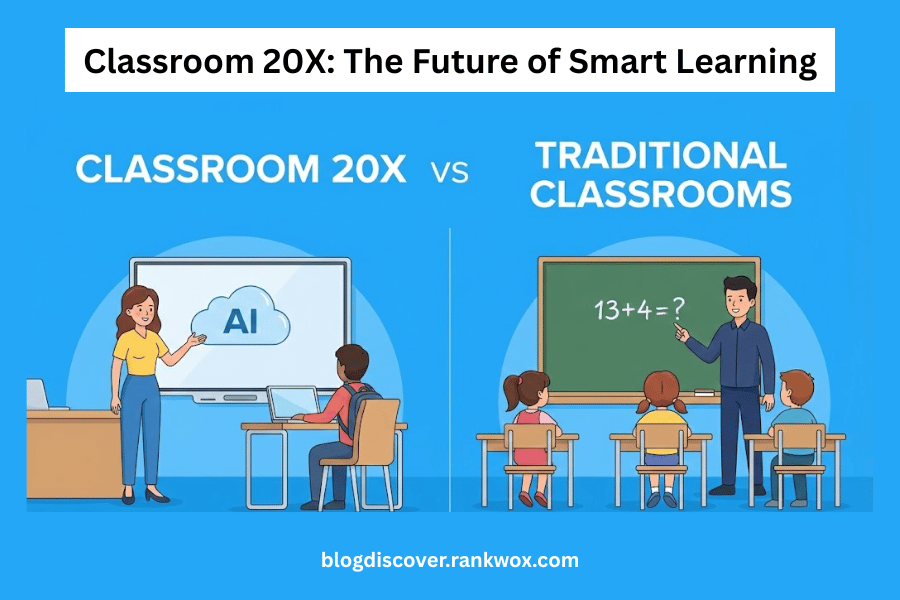
Classroom 20X is an innovative educational model that combines advanced technology with personalized learning. Unlike traditional classrooms, which focus on a one-size-fits-all approach, Classroom 20X adapts to the needs, learning styles, and paces of individual students. This model is designed to encourage active learning, promote collaboration, and prepare students for the digital economy.
Key Features of Classroom 20X:
| Feature | Description |
|---|---|
| Interactive Technology | Integration of smartboards, digital apps, and real-time collaboration tools. |
| Personalized Learning | Tailored lessons based on student pace and performance using AI and digital tools. |
| Collaboration | Encourages teamwork, problem-solving, and peer learning through digital platforms. |
| Real-Time Analytics | Teachers can track progress and adjust lessons based on data-driven insights. |
| Gamification | Learning is enhanced through game-like elements, making it more engaging. |
The concept revolves around using technology not as an add-on but as the core of how lessons are designed and delivered. Instead of focusing solely on lectures and rote memorization, Classroom 20X emphasizes hands-on learning, interactive activities, and real-world problem-solving.
Why Is Classroom 20X Gaining Popularity?
The rise of Classroom 20X can be attributed to several key factors that reflect the changing landscape of education:
- Digital Natives: Today’s students are more tech-savvy than ever before. They grew up surrounded by smartphones, social media, and interactive digital tools. The 20X model aligns perfectly with how they learn and interact with the world.
- Active Learning: In traditional classrooms, students often play a passive role, receiving information from a teacher in a lecture format. Classroom 20X flips this model, encouraging active participation. Students are more engaged, exploring topics through hands-on activities, simulations, and collaborative projects.
- Personalized Learning: One of the biggest challenges in education has always been addressing the varying learning speeds and styles of students. Classroom 20X leverages AI and digital tools to offer personalized learning paths, ensuring that each student receives the support and resources they need to succeed.
- Real-Time Data: In traditional classrooms, feedback is often delayed. Teachers can now use data from learning management systems (LMS) and smart tools to assess student progress in real-time. This helps them identify areas where students need more help and tailor their lessons accordingly.
The Pillars of Classroom 20X
Classroom 20X is built on four foundational pillars that shape the learning experience:
1. Collaboration
Collaboration is at the heart of Classroom 20X. Students no longer work in isolation; instead, they collaborate on group projects, participate in discussions, and share ideas using digital tools. This creates a sense of community and helps students develop essential social-emotional skills.
- Benefits of Collaboration:
- Fosters teamwork and communication skills.
- Encourages diverse perspectives.
- Prepares students for future work environments where collaboration is key.
2. Critical Thinking
Classroom 20X encourages students to think critically, analyze information, and solve problems. With interactive lessons, students learn to apply knowledge in real-world scenarios, which improves their problem-solving and decision-making skills.
- How It Works:
- Students work on project-based learning (PBL) tasks.
- Use digital simulations and virtual labs to experiment and test ideas.
- Engage in debates and discussions to explore different viewpoints.
3. Creativity
Creativity is essential in today’s fast-changing world. Classroom 20X fosters a creative environment by allowing students to explore ideas freely, express themselves through multimedia, and approach problems from innovative angles.
- Ways to Encourage Creativity:
- Use digital art tools, video editing software, and online platforms to create and share projects.
- Engage in design thinking activities that involve brainstorming, prototyping, and testing ideas.
- Incorporate gamification to make learning fun and creative.
4. Communication
Effective communication is a crucial skill for the 21st century. Classroom 20X enhances communication by encouraging students to share their ideas clearly and confidently, whether through digital presentations, collaborative discussions, or written assignments.
- Developing Communication Skills:
- Virtual presentations and webinars.
- Collaborative document editing and peer reviews.
- Use of video conferencing tools for remote collaboration.
Classroom 20X and Technology: The Backbone of Modern Learning
Technology is not just a tool but the very foundation of Classroom 20X. From interactive whiteboards to cloud-based platforms, technology plays a critical role in shaping the learning experience.
Technology Tools That Power Classroom 20X
| Tool | Purpose |
|---|---|
| Interactive Whiteboards | Enhance visual learning and encourage active student participation. |
| Learning Management Systems (LMS) | Organize and deliver content, track student progress, and foster communication. |
| Adaptive Learning Software | Provides personalized lessons based on student performance and needs. |
| Collaboration Platforms | Enable students to work together in real-time, regardless of location. |
| Gamification Apps | Make learning more engaging by incorporating rewards, challenges, and game-like elements. |
These tools support the four pillars of Classroom 20X and ensure that students have access to real-time feedback, personalized learning, and collaborative opportunities.
The Role of AI in Classroom 20X
Artificial Intelligence (AI) is an integral part of the Classroom 20X model. AI-powered systems can:
- Personalize learning by adjusting the difficulty of assignments based on a student’s performance.
- Track progress and provide insights into areas where a student is struggling.
- Automate administrative tasks like grading, freeing up teachers to focus more on student interaction.
AI learning assistants and tutors also provide immediate feedback and support, helping students learn independently and boost their confidence.
Student Engagement in Classroom 20X
Engagement is crucial for effective learning. Classroom 20X employs a variety of strategies to keep students engaged, motivated, and excited to learn.
Engagement Strategies in Classroom 20X
| Strategy | Description |
|---|---|
| Gamification | Incorporates games and rewards to make learning fun and competitive. |
| Project-Based Learning | Encourages students to apply their knowledge to real-world challenges. |
| Interactive Discussions | Uses digital tools to facilitate live debates, polls, and discussions. |
| Real-World Case Studies | Students analyze actual problems and come up with creative solutions. |
These strategies not only make lessons more fun but also ensure that students develop critical skills such as problem-solving, collaboration, and innovation.
Challenges of Implementing Classroom 20X
While the Classroom 20X model offers numerous benefits, its adoption comes with certain challenges:
1. Technological Investment
One of the biggest hurdles for schools is the cost of upgrading their technology infrastructure. While some tools are affordable, others, such as interactive whiteboards and AI-powered software, can require significant financial investment.
2. Teacher Training
For Classroom 20X to be effective, teachers need proper training. They must be comfortable with new digital tools, understand how to use data analytics, and know how to create interactive and engaging lessons.
3. Cybersecurity Concerns
With the increased use of digital tools comes the risk of cyber threats. Schools must ensure that student data is secure and that they comply with privacy regulations.
4. Accessibility
Not all students have equal access to technology. Schools need to ensure that all students, regardless of their socioeconomic status, have the tools they need to succeed.
How Schools Can Implement Classroom 20X
The implementation of Classroom 20X requires careful planning. Here are the steps schools can take to transition smoothly:
- Assess Current Technology: Evaluate the existing infrastructure and identify the areas that need improvement.
- Set a Clear Roadmap: Create a plan that outlines the technology upgrades, teacher training, and student support systems.
- Start Small: Begin with pilot programs in select classrooms to test the model before scaling up.
- Ongoing Teacher Support: Provide continuous training and professional development to ensure teachers can maximize the potential of digital tools.
- Engage Parents: Use communication apps to keep parents informed and involved in the learning process.

FAQs
1. What is Classroom 20X?
Classroom 20X refers to a modern, tech-driven learning environment where students take an active role in their education. It integrates interactive digital tools, personalized learning, and real-time collaboration to create a more engaging, efficient, and flexible classroom experience. Rather than relying solely on traditional lectures, Classroom 20X emphasizes hands-on learning, problem-solving, and student-led exploration.
2. How is Classroom 20X different from traditional classrooms?
Unlike traditional classrooms, which often focus on teacher-led lectures and passive learning, Classroom 20X utilizes digital tools and personalized learning paths. In the 20X model, technology plays a key role in delivering content, tracking student progress, and allowing students to engage with the material in a way that suits their learning pace. It encourages active participation, collaboration, and real-world problem-solving, making learning more engaging and effective.
3. Why is Classroom 20X becoming so popular in schools?
Classroom 20X is gaining popularity because it aligns with how students learn today through technology. Students are digital natives who already use technology for almost every aspect of their lives. The active learning approach, along with the use of personalized learning tools and real-time feedback, helps engage students in meaningful ways. Teachers can also monitor progress and adjust lessons to suit individual needs, leading to better academic outcomes.
4. How does technology support Classroom 20X?
Technology is the backbone of Classroom 20X. It provides the tools needed for interactive learning, real-time collaboration, and personalized instruction. Tools like interactive whiteboards, cloud-based platforms, AI-driven software, and gamified learning apps all contribute to a dynamic and engaging learning environment. These technologies make lessons more flexible, adaptive, and immersive, enhancing both student engagement and teacher efficiency.
5. What are the key benefits of Classroom 20X for students?
The main benefits for students include:
- Personalized learning: Lessons are adapted to individual needs and progress, ensuring that every student can learn at their own pace.
- Increased engagement: Interactive tools, gamification, and project-based learning make lessons more fun and memorable.
- Real-world skills: Students develop critical thinking, creativity, collaboration, and communication skills key competencies for the modern world.
- Active participation: Instead of just absorbing information, students engage with content, collaborate with peers, and solve real-world problems.
6. What challenges do schools face when implementing Classroom 20X?
While the benefits of Classroom 20X are clear, there are some challenges:
- Cost of technology: Schools may need to invest in new devices, high-speed internet, and digital platforms, which can be expensive.
- Teacher training: Teachers need to be properly trained to use the technology effectively and implement the student-centred approach.
- Cybersecurity concerns: With the increase in digital tools, schools must ensure the safety and privacy of student data.
- Access inequality: Not all students have equal access to the necessary technology at home, which can lead to disparities in learning opportunities.
7. How can teachers adapt to the Classroom 20X model?
Teachers can adapt to Classroom 20X by embracing professional development in technology integration. This includes:
- Learning how to use digital tools like smartboards, learning management systems (LMS), and adaptive learning software.
- Shifting from a teacher-led model to a facilitator role, where they guide students through personalized learning.
- Incorporating interactive and collaborative activities to foster student engagement.
- Using real-time data from digital tools to assess student progress and adjust lessons accordingly.
8. Will Classroom 20X work for all age groups?
Yes, Classroom 20X can be adapted for all age groups, from K-12 students to university-level learners. For younger students, the model emphasizes visual learning, hands-on activities, and gamified experiences. For older students, it focuses more on critical thinking, project-based learning, and real-world applications. The flexibility of the 20X model allows it to scale for different levels, ensuring students develop the skills they need at each stage of their education.
Conclusion: The Future of Classroom 20X
Classroom 20X is not just a technological upgrade; it’s a shift in how we think about education. By embracing technology, collaboration, and student-centred learning, this model offers a more personalized, engaging, and effective learning experience. While there are challenges to overcome, the long-term benefits of creating a modern, flexible learning environment are undeniable.
As schools continue to adopt the Classroom 20X approach, students will be better equipped to navigate the challenges of the digital age, fostering critical skills such as creativity, communication, and collaboration, skills that will prepare them for a rapidly changing world.
We’ll keep you updated, just stay in touch! Blog Discover by Rank Wox!



Leave a Reply