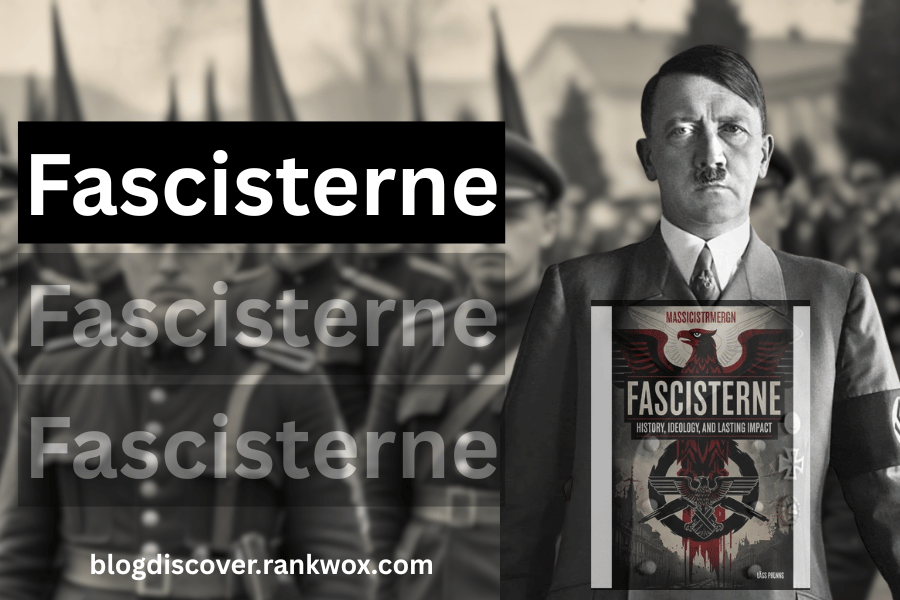
Why We Still Need to Remember Fascisterne
Fear Shapes Human Behavior
Fear is one of the most powerful motivators in human history. People instinctively seek safety even if it means giving up freedom, questioning their own judgment, or following authority blindly. Authoritarian leaders have understood this for centuries, and fascisterne were experts at turning fear into a political weapon.
Societies in Crisis Are Vulnerable
After World War I, Europe was in chaos. Cities were destroyed, economies collapsed, and millions of people mourned the loss of loved ones. This social, economic, and emotional instability created fertile ground for leaders who promised order and security even at the cost of liberty.
Why History Matters Today
Understanding fascisterne is not just about the past. These movements offer critical lessons for today. Recognizing the tactics of fear, propaganda, and division helps us defend democracy and prevent authoritarianism from taking hold again.
Chapter 1 : Europe in Chaos
Aftermath of World War I
The war left Europe scarred physically, socially, and emotionally. Cities were reduced to rubble, economies were collapsing, and families were mourning the death of millions. Citizens longed for stability, security, and solutions.
Economic Despair
Hyperinflation, massive unemployment, and food shortages made daily life unpredictable. Ordinary people feared for their survival, creating vulnerability that fascist leaders could exploit.
Weak Democratic Systems
New democracies were inexperienced, slow to respond, and sometimes corrupt. Authoritarian promises of strong leadership, clear rules, and national pride appeared much more attractive to citizens desperate for change.
Chapter 2: Mussolini and the Birth of Fascisterne
National Humiliation
Italy felt betrayed after World War I. Despite being on the winning side, Italy received less than it expected in terms of territory and political influence. This resentment made people receptive to a leader promising strength, pride, and unity.
Promise of Strength and Unity
Mussolini’s fascist movement, called fascisterne in Danish, offered national pride and stability. However, beneath the slogans of unity and progress, there were violent methods, censorship, and ruthless oppression of opposition.
Social and Cultural Influence
Fascisterne wasn’t just a political party. It infiltrated daily life through mass rallies, control of the media, and youth programs, embedding fear and loyalty into the very fabric of society.
Chapter 3: Hitler and the Rise of Nazism
Treaty of Versailles and Germany’s Humiliation
Germany faced harsh reparations, territorial losses, and political humiliation. Economic collapse and social unrest left citizens desperate for solutions. This desperation allowed Hitler to exploit fear and gain support.
Strategic Use of Fear
Hitler promised safety, jobs, and national pride. He used fear of economic collapse, political chaos, and internal enemies to consolidate power, turning anxiety into obedience.
Propaganda and Symbolism
Through mass rallies, uniforms, symbols like the swastika, and relentless media messaging, Hitler created a shared sense of danger. Collective fear reinforced loyalty, making disobedience both psychologically and socially risky.
Chapter 4: Fascism Beyond Italy and Germany
Francoist Spain
After Spain’s civil war, Franco maintained control using censorship, repression, and fear while promoting traditional values. This showed that authoritarian power could succeed even without replicating every fascist tactic.
Other European Movements
Fascist-inspired movements also appeared in Hungary, Romania, and parts of the UK. Each adapted tactics to local fears and culture, demonstrating the flexibility of fear as a political tool.
Chapter 5: Core Tools of Fear
| Strategy | Purpose | Historical Example |
|---|---|---|
| Propaganda | Shape public opinion | Mussolini’s rallies |
| Scapegoating | Unite followers | Jews in Nazi Germany |
| Leader worship | Demand loyalty | Hitler as “savior” |
| Repression | Silence opposition | Francoist Spain |
| Economic fear | Gain support | Germany in the 1920s |
How Fear Worked
Fascisterne used fear to control societies, combining propaganda, scapegoating, and leader worship. Communities learned to obey quietly, children were indoctrinated, and oppression became normal.
Chapter 6: How Fear Shaped Society
Youth Indoctrination
Schools and youth organizations taught obedience, nationalism, and distrust of outsiders. Children grew up internalizing authoritarian values, preparing the next generation to support the regime.
Social Conformity
Fear of punishment or exclusion ensured that communities complied silently with authoritarian rules. Dissent became socially dangerous.
Normalization of Oppression
Censorship, surveillance, and authoritarian laws became part of everyday life. Citizens slowly accepted repression as normal, making resistance rare and dangerous.
Chapter 7: Fear Becomes Violence
Punishing Dissent
Political opponents, journalists, and activists were silenced, arrested, exiled, or executed. Fear operated as both a psychological and physical tool.
Intimidation and Control
Public parades, secret police, and uniformed officials demonstrated the regime’s power. Obedience was enforced through terror.
Silencing Communities
Ordinary citizens learned that questioning authority had serious consequences. Fear became self-reinforcing, creating a compliant society.
Chapter 8 : Collapse of Fear-Based Power
War and Overreach
Aggressive expansion and military campaigns strained resources, showing that fear alone could not sustain rule.
Exposure of Failures
Economic hardship, social unrest, and the harsh realities of war revealed that authoritarian promises were empty.
Loss of Trust
Once fear could no longer hide the truth, obedience declined. Mussolini’s and Hitler’s regimes collapsed under the weight of their own mismanagement and cruelty.
Chapter 9 : Lessons for Today
Modern Political Fear Tactics
Exaggerated threats, media attacks, and social division are still used to gain power worldwide.
Importance of Awareness
Recognizing historical tactics of fascisterne equips citizens to spot manipulation early. Critical thinking and skepticism are vital.
Protecting Democracy
Education, media literacy, civic engagement, and community solidarity are essential defenses against authoritarian control. Democracy thrives only when people actively protect it.
FAQs
What does fascisterne mean?
It’s Danish for “the fascists,” authoritarian movements that rose in 20th-century Europe.
How did fear help fascisterne succeed?
Fear made citizens prioritize safety over freedom, allowing leaders to centralize control and suppress dissent.
Were fascisterne identical in every country?
No. Each adapted to local culture, fears, and political conditions.
What lessons can we apply today?
Recognize fear tactics, support independent media, and participate in civic life to prevent authoritarianism.
Q: Were fascisterne only in Europe?
A: While most famous examples were in Europe, similar authoritarian movements appeared in Asia, South America, and other regions, showing that fear-based politics can arise anywhere.
Q: Did all fascist leaders use the same methods?
A: Not exactly. Each leader adapted propaganda, censorship, and fear tactics to their country’s culture, history, and social conditions, though the core principle using fear to gain control was the same.
Q: How did propaganda make fear more effective?
A: Repetition and control of media made citizens believe fear-based messages were reality. Posters, speeches, rallies, and radio broadcasts created a sense of constant threat that people couldn’t ignore.
Q: Can fear-based control last forever?
A: No. History shows that fear alone can only maintain power temporarily. Economic collapse, war, internal corruption, and resistance eventually undermine authoritarian regimes.
Q: How can individuals resist fear-based politics today?
A: Critical thinking, media literacy, questioning misinformation, engaging in community, and defending democratic rights all help prevent fear from being used as a political weapon.
Final Thoughts – What We Can Do Today
Fascisterne turned fear into power through propaganda, scapegoating, and authoritarian leadership. Their story reminds us: fear can be weaponized but understanding history, staying informed, and defending democratic values ensures that societies remain resilient against authoritarian control.
“Those who cannot remember the past are condemned to repeat it.” – George Santayana
We’ll keep you updated, just stay in touch! Blog Discover by Rank Wox!




Leave a Reply